Seiko: From Humble Beginning to Global Innovations
The Seiko watches story began in 1881, when Kintaro Hattori, a 21-year-old entrepreneur, opened a small watch and clock repair shop in central Tokyo’s Ginza district. His aim was to bring precision timekeeping to a rapidly modernizing Japan.

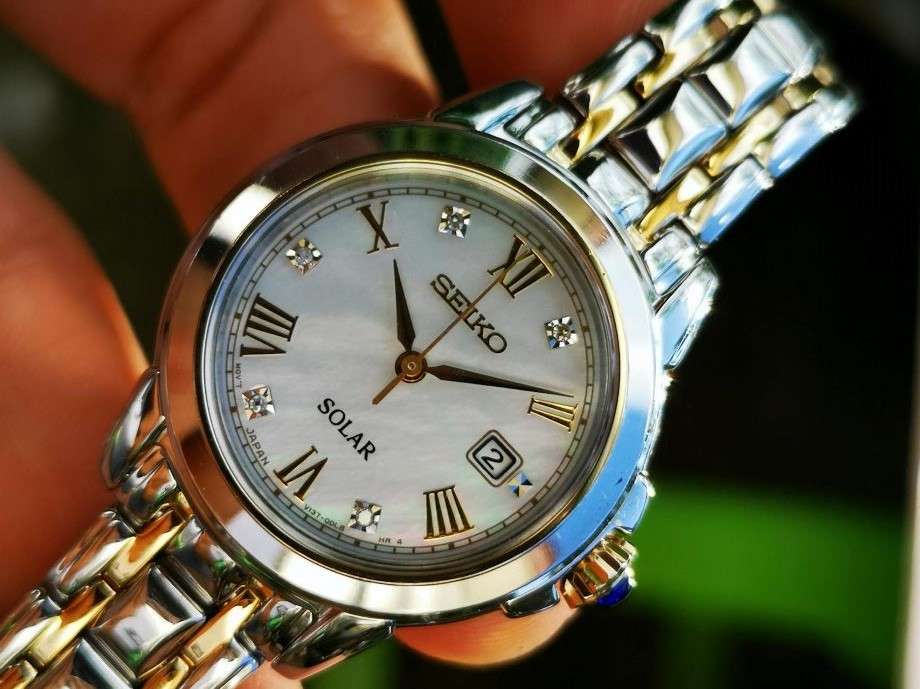
The Seiko watches story began in 1881, when Kintaro Hattori, a 21-year-old entrepreneur, opened a small watch and clock repair shop in central Tokyo’s Ginza district. His aim was to bring precision timekeeping to a rapidly modernizing Japan. Just over a decade later, in 1892, he founded the Seikosha factory (House of Precision), marking the company’s first step toward manufacturing its own timepieces.
Birth Of The Brand
Seiko’s first wristwatch under the Seiko brand name was introduced in 1924. The name “Seiko” means “exquisite,” “success,” or “precision” in Japanese – all fitting descriptors for a brand that would soon disrupt the global watch industry.
Prior to this, the company had already released Japan’s first wristwatch in 1913 under the Laurel name, contributing to a creation of a new lifestyle for Japanese people.
In 1969, Seiko transformed the watch industry with the launch of the Seiko Astron, the world’s first Quartz wristwatch. The Astron offered unprecedented accuracy and affordability, setting off the global Quartz Crisis – a major disruption that challenged traditional Swiss mechanical watchmaking and democratized timekeeping for the masses.
Seiko’s Innovations
Seiko’s pursuit of horological innovation did not end with the Quartz revolution; on the contrary, it marked the beginning of a relentless commitment to technological leadership in watchmaking.
In 1975, Seiko introduced the world’s first quartz chronograph, an unprecedented development that combined the accuracy of quartz movement with the functionality of a stopwatch. This breakthrough significantly elevated precision timing in professional sports and aviation, areas where split-second accuracy is essential.
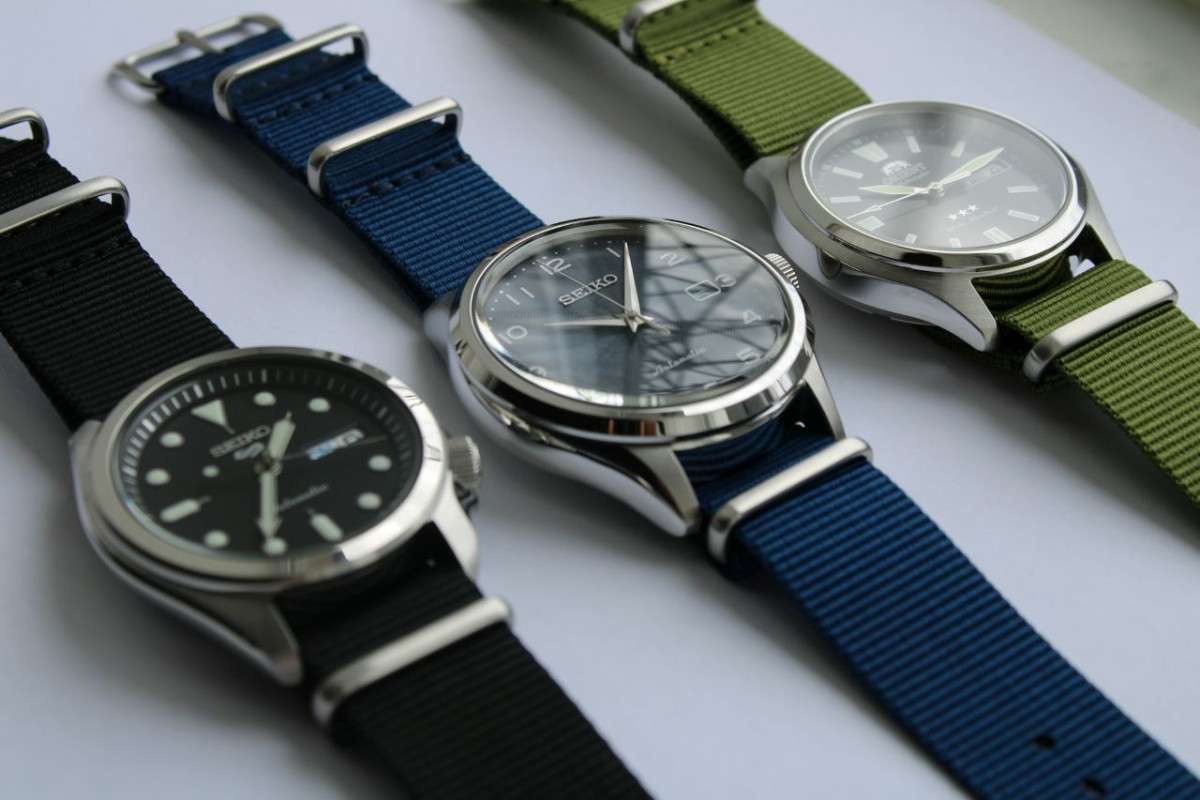
Continuing its trend of innovation, Seiko unveiled the world’s first TV Watch in 1982 – a wristwatch with an integrated television screen. Decades ahead of the wearable tech trend, the TV Watch not only demonstrated Seiko’s technical ingenuity but also its visionary approach to multifunctional timepieces. The device gained international fame when it was featured in popular media and even worn by characters in films like in the 1982 James Bond film ‘’Octopussy’’.
In 1988, Seiko redefined self-powered timekeeping with the launch of the Kinetic watch – the first watch to generate electricity through the natural movement of the wearer’s wrist. Unlike traditional automatic watches, which store mechanical energy in a spring, the Kinetic movement converted kinetic energy into electrical energy. This hybrid solution offered the accuracy of Quartz with the convenience of never needing a battery replacement – another major leap in sustainable watchmaking. Over eight million Kinetic Watches have been sold, as of 2007.
Perhaps one of Seiko’s most significant and technically sophisticated achievements came in 1999 with the introduction of the Spring Drive, developed by its high-end division. This revolutionary movement, which took nearly two decades to perfect, ingeniously combined the visual elegance and perpetual motion of a mechanical watch with the accuracy of a quartz regulator. The result was a glide-motion seconds hand that moved in perfect, silent continuity – free from the ticking or beating characteristic of traditional watches. The Spring Drive remains a hallmark of Grand Seiko and Credor collections and is widely regarded as one of the most innovative movements in modern horology.
More For You
The Ultimate Guide to Swatch Watches: Style Meets Affordability
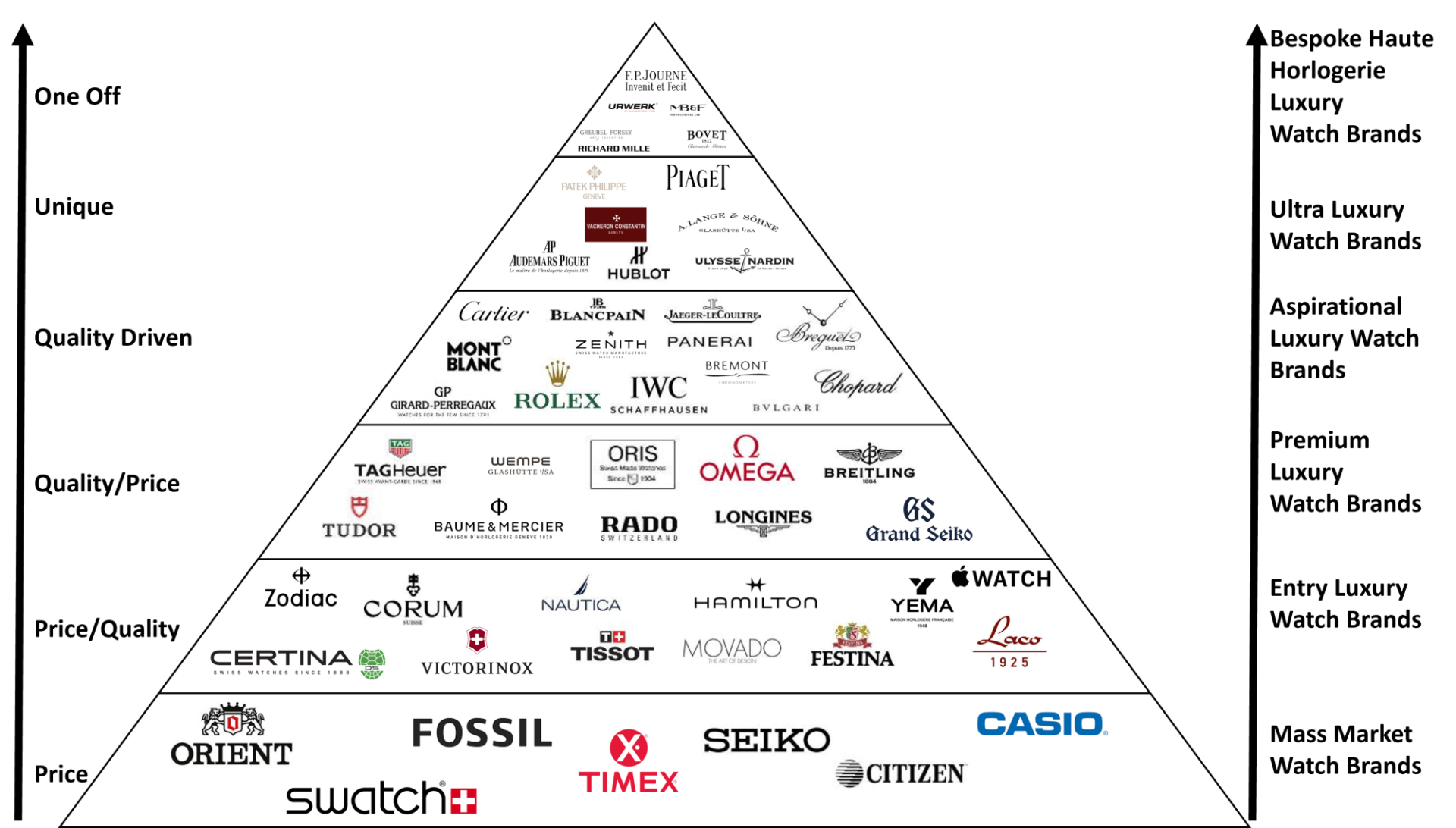
The Luxury Watch Brands Pyramid: Who Tops the Hierarchy in 2024
Hermès: The World’s Most Exclusive Fashion Luxury Brand?
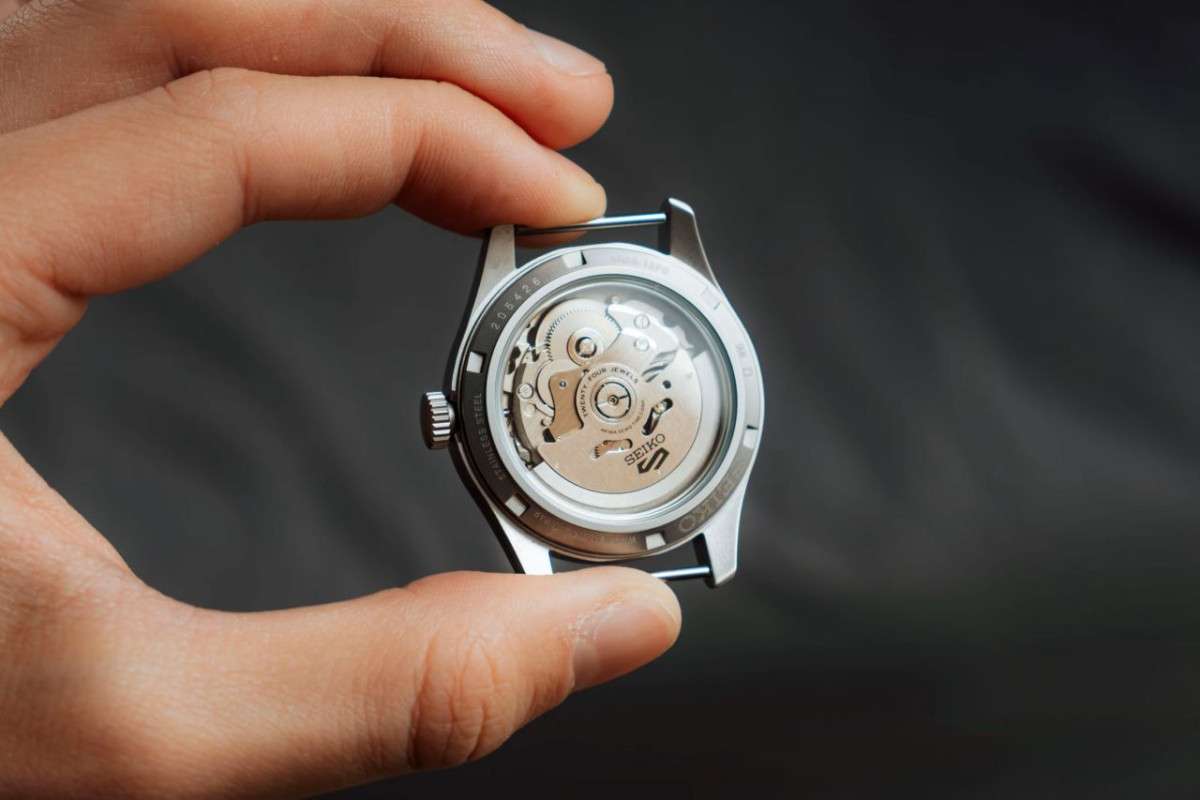
A Watch For Everyone
Seiko evolved into a multi-tiered brand group, each targeting different audiences, from different age groups, social background and connoisseurs. For example:
- Seiko – mass-market and mid-range timepieces
- Prospex – professional-grade diver’s watches
- Presage – mechanical watches focused on traditional Japanese artistry
- Astron – advanced GPS solar watches
- Grand Seiko (spun off in 2017 as an independent luxury brand) – high-end craftsmanship quality
Seiko stands as a symbol of Japanese craftsmanship, resilience, and innovation. From crafting Japan’s first wristwatch to revolutionizing timekeeping with quartz technology, Seiko has earned its place as a titan of horology – respected by collectors, athletes, and everyday wearers around the world.
Seiko Watches Collections
Here is a structured Seiko’s watches, ranking the brand’s watch collections based on price, craftsmanship, innovation, and market positioning – from entry-level everyday pieces to high-end collector-grade horology.
Prices may vary according to location, website and period of search without prior notice.
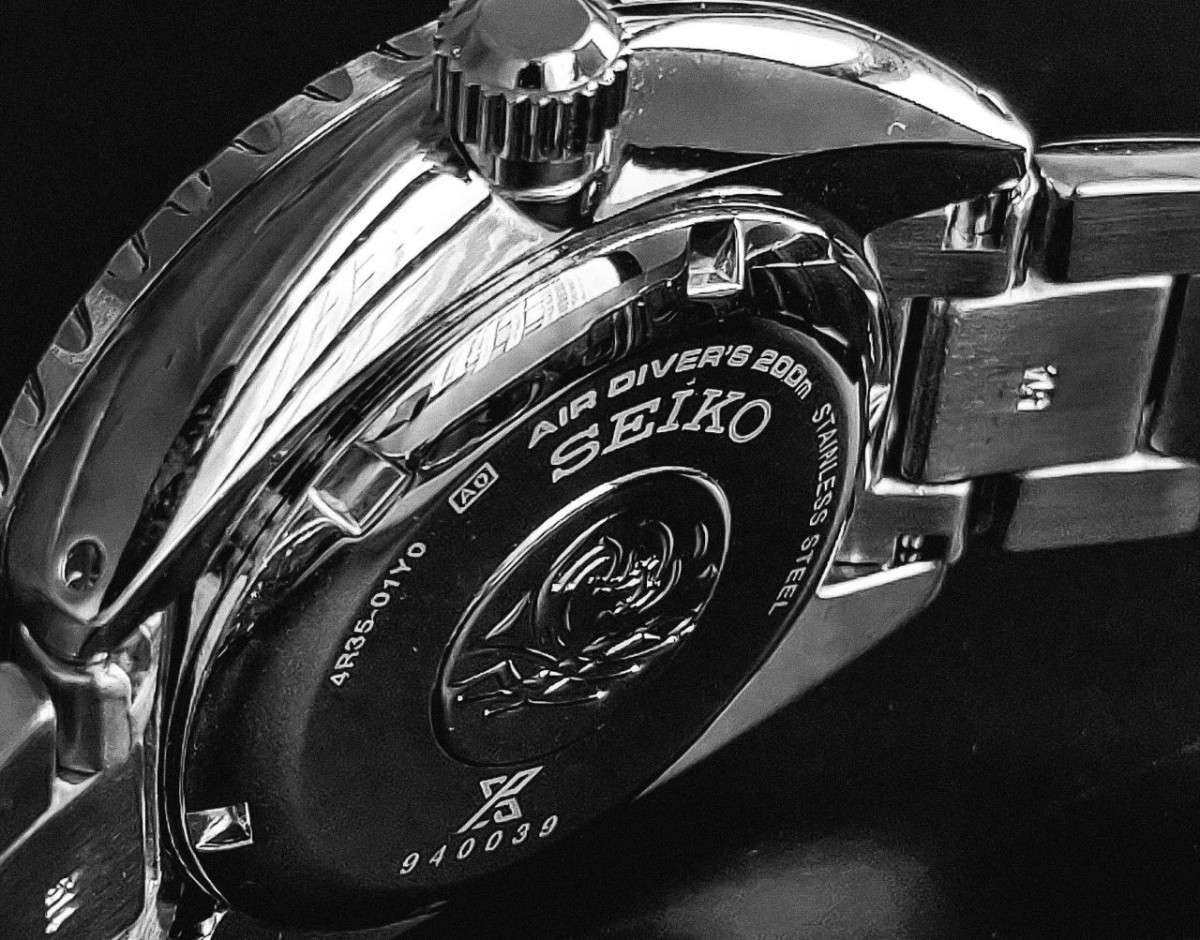
Tier | Collection | Positioning | Price Range | Key Traits |
|---|---|---|---|---|
1 | Grand Seiko | Haute Horlogerie | $3,000 – $320,000+ | Precision, luxury, craftsmanship |
2 | King Seiko | Heritage Luxury | $1,700 – $3,300 | Vintage revival, classic dress watches |
3 | Presage | Artistic Mechanical | $425 – $650 | Japanese crafts, enamel & porcelain |
4 | Prospex | Professional Sports | $495 – $1,050 | Diving/tool watches, robust design |
5 | Astron | GPS Smart Tech | $2,200 – $3,900 | GPS solar, high-tech, executive travel |
6 | Seiko 5 Sports | Affordable Automatic | $295 – $475 | Sporty, trendy, young audience |
7 | Core Seiko | Basic Everyday Timepieces | $70 – $250 | Quartz & solar, reliable and accessible |
Seiko has been the official timekeeper of numerous international sporting events, including the Tokyo Olympics (1964). The company also pioneered solar-powered, radio-controlled, and GPS-synchronized watches, remaining at the forefront of horological technology.
Through each of its milestones, Seiko not only expanded the boundaries of watchmaking but also established itself as a pioneer capable of challenging – and often redefining – the very conventions of timekeeping, with many of its watches out of stock on several platforms.