The Hotel Brand Pyramid – From Budget to Luxury Rankings
The SmartZup Hotel Brand Pyramid ranks hotel brands from budget chains to luxury and palace hotels, and explains why star ratings measure amenities, not luxury.

Would it interest you to know that the hotel star ranking system is more a measure of operational features and amenities (such as having a 24-hour concierge or a gym) than a guarantee of opulence or hospitality?
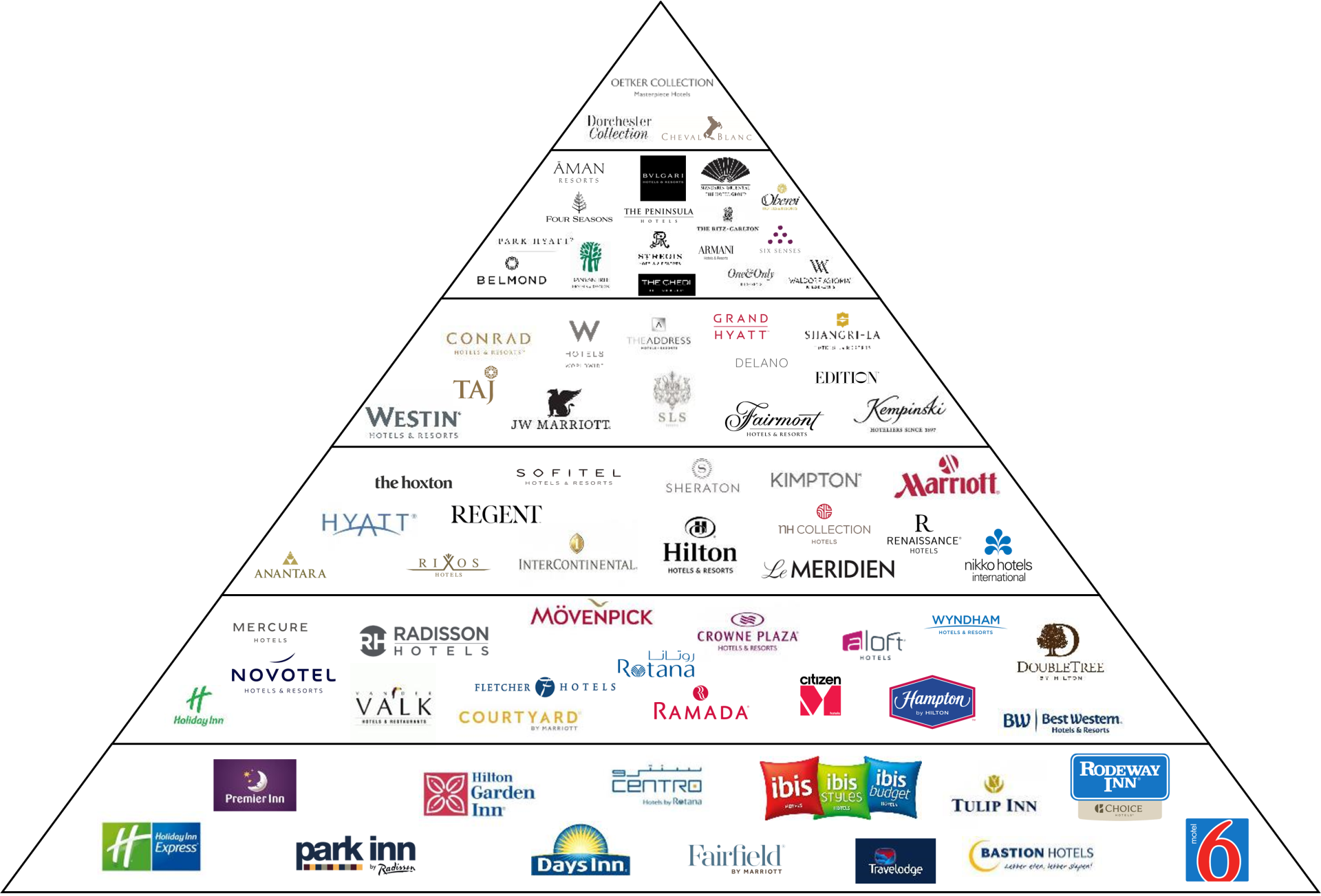
Forget what you thought you knew about hotel brands and check out our pyramid illustration below. You’ll quickly see the hotel game is not a level playing field with the bottom tier of providers playing the long game by churning out no-frills nights in volume for travelers and vacationers, while the top-tier brands invest heavily in creating unique “experiences” for their exclusive clientele made up of the wealthy and powerful.
The first thing you may notice is that a lot of four and five-star hotel names commonly considered to be at the pinnacle of hotel eminence appear a lot further down than expected. Why is that? It is because the top end of the market is open to greater variance once the cost restrictions are removed. I mean, there’s only so much you can tweak the service offerings for less than $100 a night, right?
What you may also notice is a lot more unfamiliar names among the top tiers, which represent the importance of genuine uniqueness and exclusivity among the true luxury hotel brands.
Hotel Grading and Classification
While traditional star ratings tend to emphasize the facilities a hotel offers, they often overlook the actual quality and depth of the guest experience. At SmartZup, we take a more holistic approach, identifying hotel brands based on their alignment with a specific level/tier or band of desired quality, amenities/ facilities, and experiential value associated with the brand.
| Star Rating | STR Chain Scale | Typical Market Segment | SmartZup Categories/Bands |
| ⭐ | Economy | Basic / Budget | Budget Hotels |
| ⭐⭐ | Midscale / Economy | Budget Plus / Entry Midscale | Affordable Mass Market Hotels |
| ⭐⭐⭐ | Upper Midscale / Midscale | Midscale / Standard | Premium Hotels |
| ⭐⭐⭐⭐ | Upscale | Upscale Business / Leisure | Aspirational Luxury Hotels |
| ⭐⭐⭐⭐⭐ | Upper Upscale | Luxury Entry / Premium | Supreme Luxury Hotels |
| ⭐⭐⭐⭐⭐+ | Luxury | Ultra-Luxury / Iconic Properties | Ultra-Luxury / Palace Tier Hotels (Ultimate Luxury Hotels) |
Note: There is no single global hotel authority. Standards may vary by country or rating body (e.g., AAA in the U.S., Stars by many National Tourism Organizations, STR, etc.)
The result is a more accurate and meaningful hotel brand hierarchy that reflects what truly matters to discerning travelers.
The Pyramid of Hotel Brands
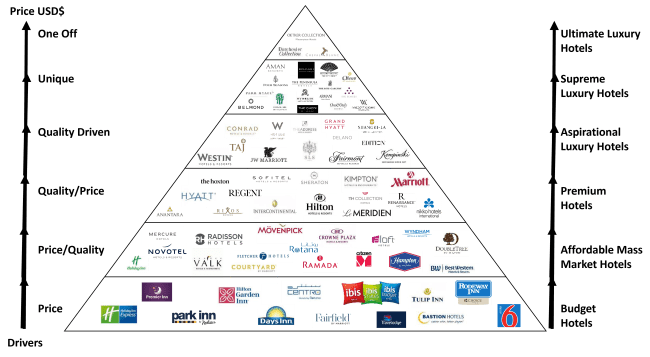
Building on these insights, SmartZup has developed a Hotel Brand Pyramid that introduces a new way of understanding the hierarchy of hotel brands. It serves as a starting point for evaluating hotels not just by stars or rates, but by their overall quality, distinctiveness, heritage, and the emotional value they offer to guests. The hotel brands are put into bands (budget hotels or premium hotels). However, being part of the same band does not imply a hierarchy or ranking, no brand is positioned “higher” or “lower” within the band based solely on logo placement or visual order.
Source: SmartZup
Notes: A band refers to a curated group of hotel brands that share common attributes such as quality, exclusivity, and pricing. However, being part of the same band does not imply a hierarchy or ranking — no brand is positioned “higher” or “lower” within the band based solely on logo placement or visual order. We acknowledge that the hotel brands world is vast and ever-evolving, with many more noteworthy hotel brands across the globe. We welcome your suggestions to help expand and refine our hotel brand bands and hierarchies.
More For You
The World’s Top 100 Visitor Attractions
Spotlight: The Oetker Hotel Collection
Spotlight: Four Seasons Hotels & Resorts
Budget Hotels
The bottom tier of Budget Hotels represents no-frills, low-cost accommodation. For vacationers, such well-known brands as Premier Inn, Quality Inn, Travelodge, Ibis, and Motel 6 represent a way to save money on accommodation to spend on other things. But don’t feel sorry for these penny-pinching brands. Budget hotels are currently benefiting from the surge in remote work with many users opting to work from cheaply rented rooms rather than at home, as well as the “staycation” trend with local guests opting for low cost opportunities to explore their own cities from a fresh perspective.
Mass-Market Hotels
The next level above is the so-called affordable Mass-Market Hotels. These hotels can often be found on the fringes of the city center, along motorways, and provide basic amenities such as beverage service and business facilities. Brands include Novotel, Van der Valk, Holiday Inn and Crowne Plaza Hotels. These price-conscious options provide more of a traditional hotel experience, including room service and a lounge or bar, to still provide the sense of elevation from the everyday.
Premium Hotels
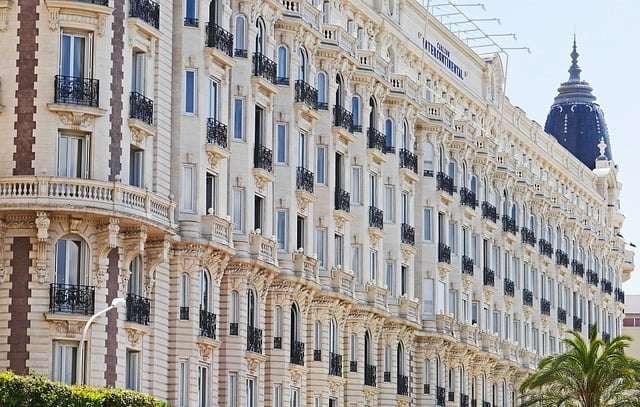
In the next category, Premium Hotels, you will notice the foundational or parent brands of many other hotel brands at different layers of the pyramid, including Hilton, Marriott, Intercontinental and Hyatt. These hotels define the hospitality experience for the average visitor, as they provide full hotel services, such as restaurants, gym and spa, concierge service and an elevated design aesthetic, and are located in city centers or business hubs. These are globally well-established hotel brands with well-developed operating and service standards whose names and reputation provide quality reassurance to prospective guests.
Aspirational Luxury Hotels
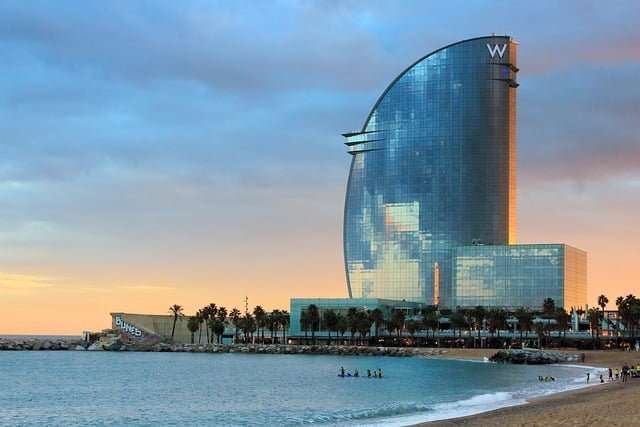
The next category is the Aspirational Luxury Hotels which are mainly owned by the previously mentioned well-known parent hotel brands. You will begin to notice the prominence of more rarified brands, such as Westin, Conrad, W Hotels, Fairmont and Kempinski, which travelers may not be familiar with in their native cities. These properties have a more distinctive upmarket brand flavor, are located in prime locations, and often labeled as luxury resorts/boutique hotels, but are still accessible to the average tourist. Although luxury in classification many are still short of the true luxury operators.
Supreme Luxury Hotels
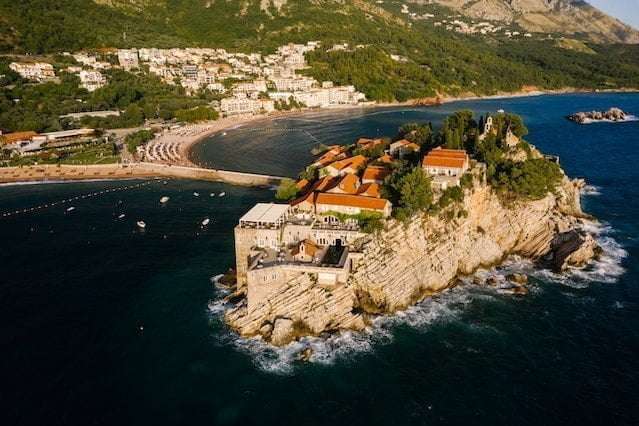
The next tier is the supreme luxury hotel brand operators. Brands include the Four Seasons, Ritz-Carlton, Banyan Tree, Chedi, Aman Hotels, Mandarin Oriental, Bulgari, and Peninsula Hotels.
These hotel brands offer exceptional facilities at the right premium locations with outstanding customer service and experiences. The properties are priced at the top end of the market, and the mix of properties includes both new build, modern, and classic buildings.
This is the tier in which hoteliers love to promote “the experience” of the stay, meaning the unique flavor of the property and location, the attentive and personalized service, plus the added value of high-end perks and amenities, such as Michelin-star restaurants or butler service.
Some might argue that Aman Hotels, Four Seasons Hotels & Resorts, or other hotel brands in this category deserve the top position in the hotel brand pyramid. While these brands command premium rates and deliver consistently high service, our perspective takes a more nuanced view. Many of their properties reflect a modern, standardized luxury service model. Though exceptional, the experience and service might be personal but somehow uniform across locations, lacking the deep heritage or singular exclusivity that defines the very top tier of our hotel brand hierarchy.
Lonely at the Top
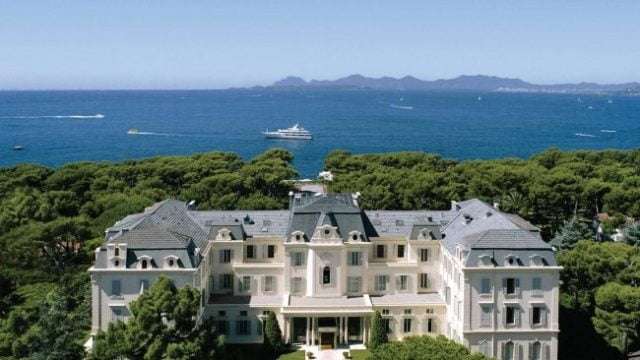
The summit of hotel brands is led by three brands you almost certainly haven’t heard of: The Oetker Hotel Collection, Cheval Blanc, and the Dorchester Collection, owned respectively by the Oetker family (yes, the baking goods company!), LVMH and the Sultan of Brunei.

What makes these brands so special? They are the owners of the world’s most desirable individual hotel assets and destinations. Fancy exclusive clubs for the rich and famous.
The hotels are known as classic properties, steeped in the history of glamour, celebrities, and luxury. For instance, the Oetker Hotel Collection includes famous “old money” assets such as Hotel du Cap-Eden-Roc in the south of France, popular with actors during the Cannes Film Festival, or Eden Rock – St Barths, a favorite New Year’s destination. The Dorchester Collection also includes “old money” assets such as the Hôtel Plaza Athénée and the Beverly Hills Hotel.
In contrast, the Cheval Blanc portfolio primarily consists of newly developed or acquired “new money” luxury hotel assets. The Oetker Hotel Collection and The Dorchester Collection are deeply rooted in heritage properties, often associated with old-world charm and generational prestige.
The latter brands capture the essence of a bygone era of travel and hospitality in the most desirable locations in the world. Due to limited rooms at the hotel properties, rooms during high seasons are ultra-exorbitantly priced or simply unavailable.
Be part of a community that celebrates brand passion – where your voice matters.
Visit smartzup.com to dive into powerful stories, consumer behavior trends, and brand legacies.