Hermès: The World’s Most Exclusive Fashion Luxury Brand?
Should Hermès occupy a cherished place in your personal pantheon of luxury, this piece was crafted with discerning connoisseurs like you in mind.

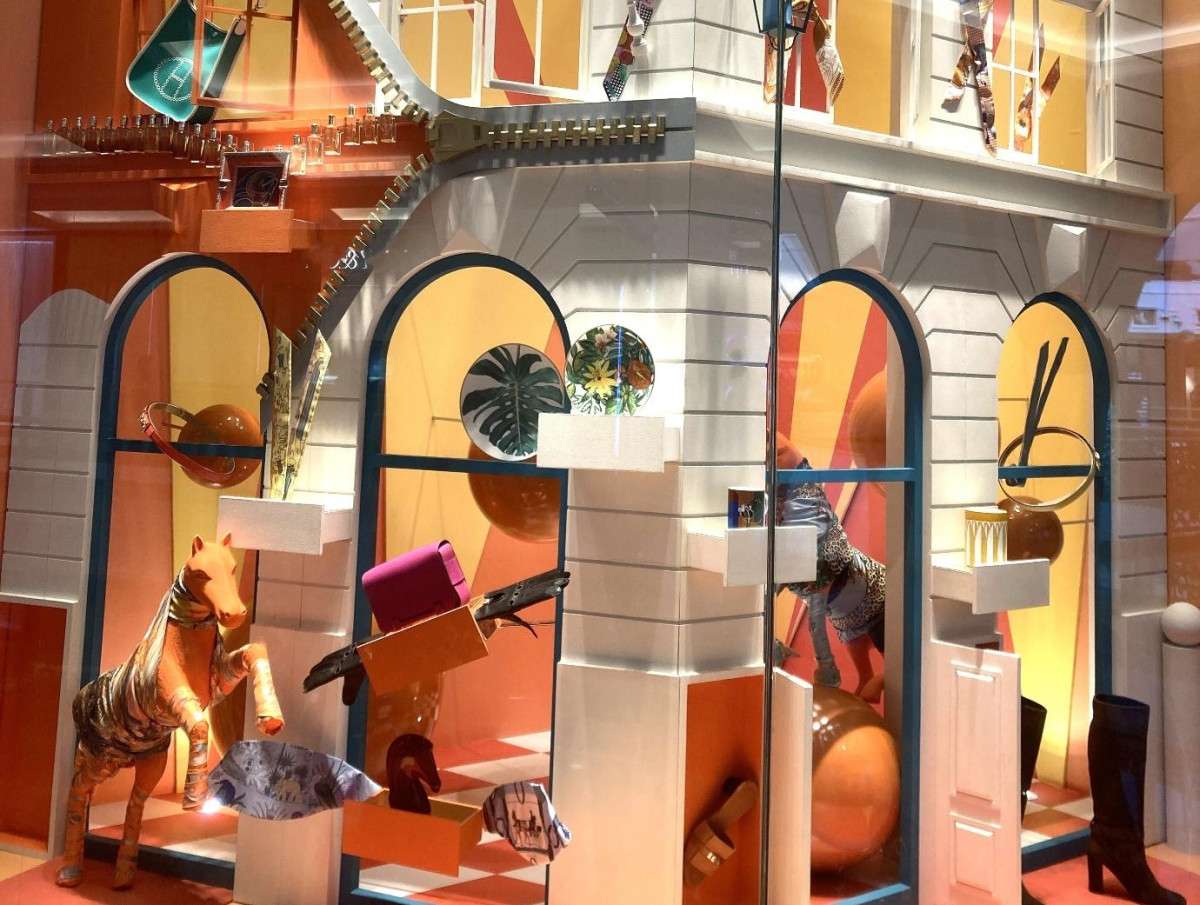
Should Hermès occupy a cherished place in your personal pantheon of luxury, this piece was crafted with discerning connoisseurs like you in mind. Drawing upon the brand’s official communications and informed by esteemed publications – including The Financial Times*,* Forbes, and Bain & Company among others – it offers a rigorously curated exploration into the enduring allure, exceptional craftsmanship, and rarefied status that have elevated Hermès to the uppermost echelon of global Luxury Maisons.
Origins And Ownership
Hermès was founded in 1837 in Paris, France by Thierry Hermès, a harness-maker specializing in finely crafted bridles and saddles for European nobility. The original workshop was located on Rue Basse-du-Rempart, and later moved to 24 Rue du Faubourg Saint-Honoré, the historic address that remains Hermès’ flagship store to this day.
Hermès remains one of the last major luxury houses still largely family-owned, preserving its fiercely independent spirit. The company is publicly traded, but its majority control is held by the Hermès family through the holding company Émile Hermès SARL.
– Current Executive Chairman: Axel Dumas (6th generation of the Hermès family)
– Creative Director of Women’s Ready-to-Wear: Nadège Vanhee-Cybulski
As of 2024, Hermès has a market capitalization exceeding €220 billion (approx. $240 billion), making it the most valuable luxury brand globally — more than LVMH Moët Hennessy Louis Vuitton in terms of brand value per product.
Why Are Hermès Products So Expensive?
It is a question that naturally arises – and the answer lies in a confluence of compelling factors. From the rarity of materials and artisanal craftsmanship to the brand’s unwavering commitment to heritage, exclusivity, and timeless design, each element contributes to the intrinsic value and premium pricing of its creations. When these components are viewed collectively, the cost becomes not merely justified, but emblematic of the brand’s singular position in the world of luxury.
– Craftsmanship: Every Hermès bag is handmade by one artisan from start to finish, using top-grade materials. A single Birkin or Kelly can take up to 40 hours to craft.
– Scarcity & Exclusivity: Hermès limits production on purpose, creating scarcity to enhance desirability.
– Heritage & Timelessness: Products rarely follow trends; they are built to last generations.
– Uncompromising Quality: Hermès sources the highest-quality leathers, scales and follicles including crocodile, lizard, ostrich, and calfskin.
5 Most Expensive Hermès Products
Hermès does not offer sales, promotions, or discounts at any official boutique or online platform. The only exception however is exclusive private sales events for restricted invite-only in Paris.
According to trusted sources like Sotheby’s and Christie’s, here are the most expensive handbags ever made by the luxury brand showcasing their prices, though prices are subject to vary without prior notice:
1. Kelly Rose Gold by Pierre Hardy – $2 million – a miniature masterpiece jewellery handbag, limited to 12 pieces.
2. Himalaya Birkin 30 with Diamonds Crocodile – $450,000
3. Himalaya Kelly 28 with Diamond Hardware – $423,000
4. Birkin Faubourg (Miniature Faubourg building motif) – $300,000
5. Birkin Matte Alligator – $120,000
5 Best-Selling Hermès Products
Many Hermès products are regarded as “affordable, timeless luxuries” – making them ideal for meaningful, enduring gifts.
These pieces are celebrated not only for their iconic design and refined craftsmanship, but also for their ability to retain, and even increase, their appeal over time. Crafted with meticulous attention to detail, from premium materials to precise stitching, Hermès items often transcend fleeting trends, offering lasting value without requiring an extravagant investment. Apart from handbags and among the brand’s most popular offerings, as featured on the official Hermès website, are the following most popular products:
1. Twilly – Starting at $271
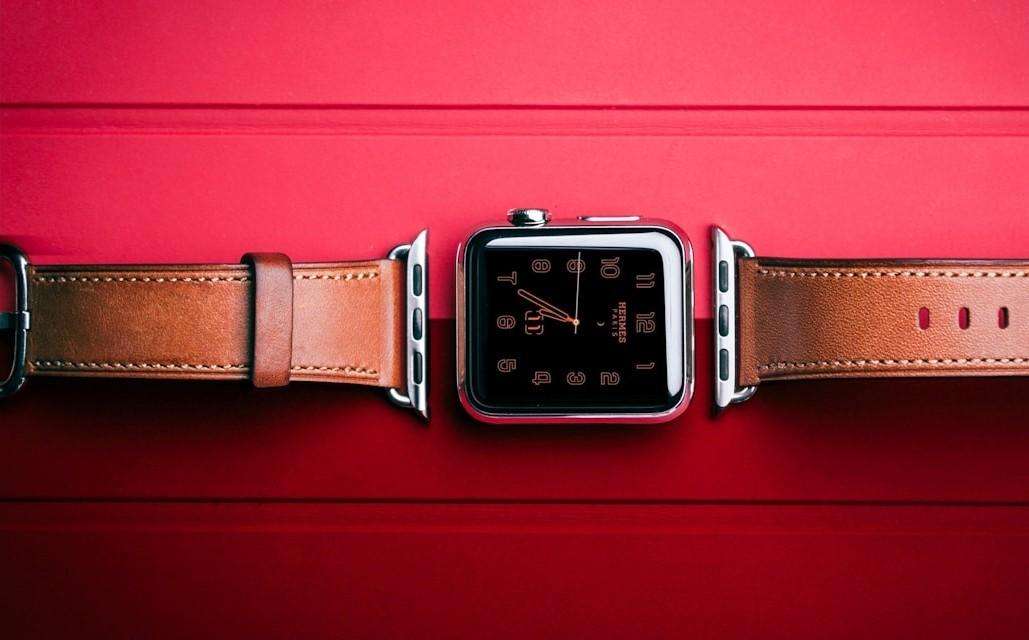
2. Hermès Apple Watch Single Tour – Starting at $354
3. Oran Sandals – Approximately $1,000
4. Silk Scarves (Carré 90) – Around $503
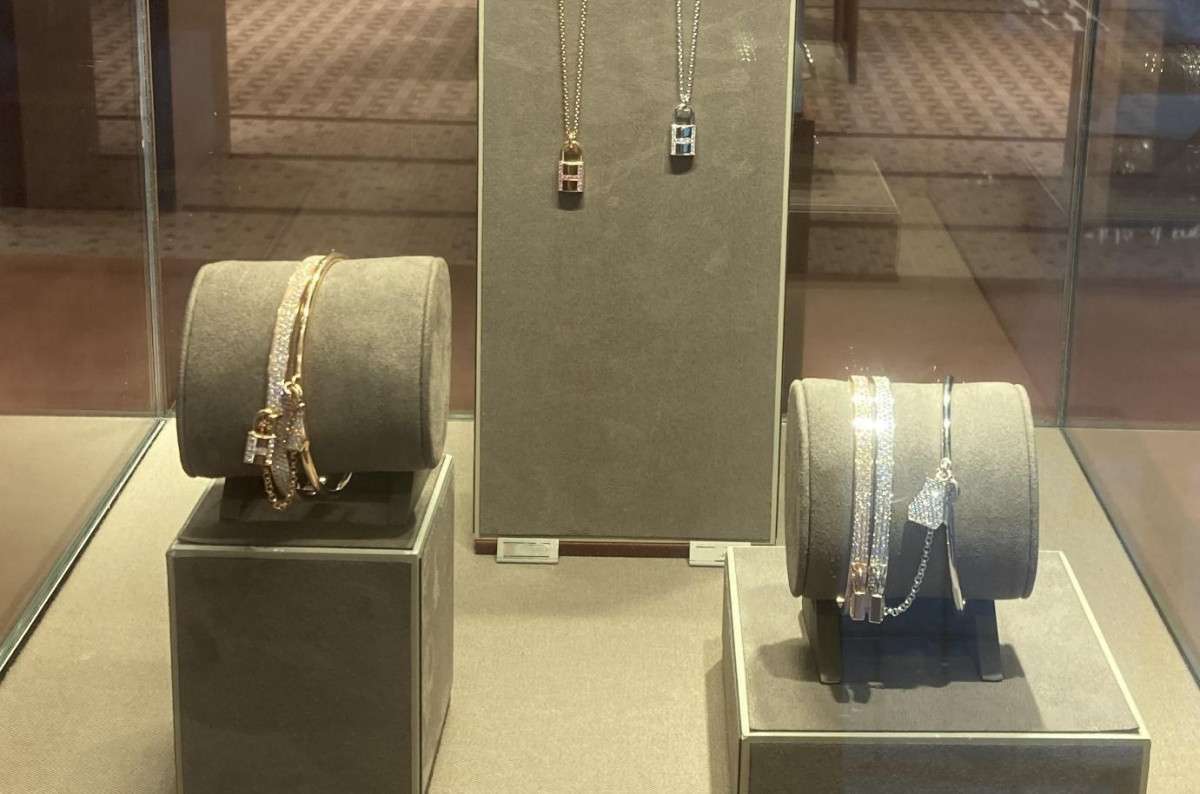
5. H Bracelet (Clic H) – Around $857
Celebrities and Hermès Obsession
One need not be a celebrity to appreciate the allure of Hermès. Renowned globally for its exceptional materials, masterful craftsmanship, and enduring value, the brand resonates with discerning individuals across all walks of life. Of course, as with all matters of taste, what captivates one person may not necessarily appeal to another.
Still, Hermès has long held a prominent place among the world’s most celebrated figures. The following individuals are particularly notable for their affinity with the brand’s iconic handbags and products:
– Jane Birkin – The muse behind the legendary Birkin bag
– Kim Kardashian – Frequently seen with a variety of Hermès pieces
– Victoria Beckham – Known for her extensive Hermès handbag collection
– Drake – Reportedly built a walk-in Hermès wardrobe in anticipation of a future partner
– Oprah Winfrey – A long-time admirer of the brand’s craftsmanship
– Grace Kelly – Whose embrace of the Sac à Dépêches led to its renaming as the iconic “Kelly” bag
More For You
The Enduring Value of Classic Luxury Products
Why is France the leading country in luxury fashion brands?
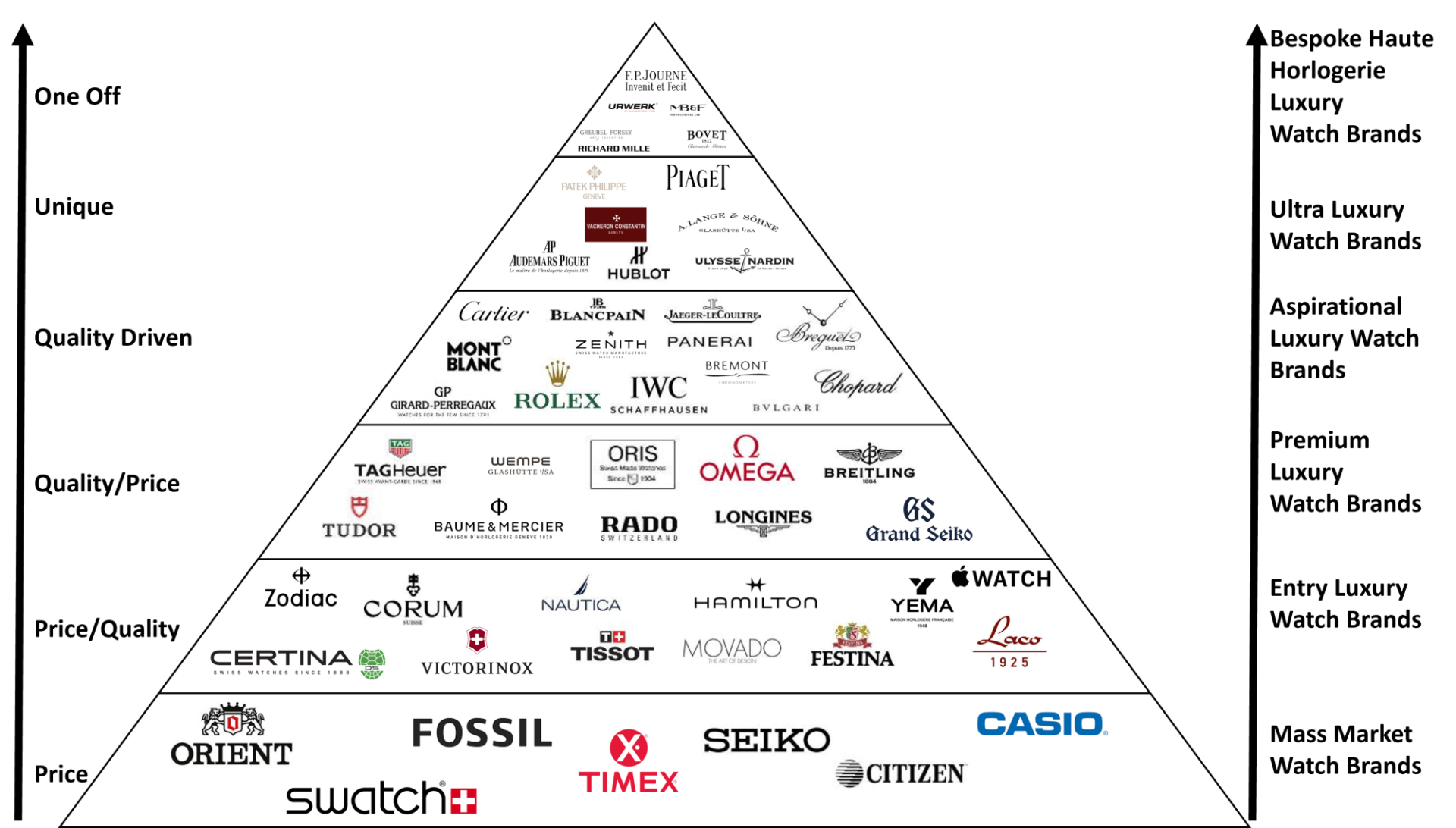
The luxury watch brand pyramid: a new hierarchy of watch brands
Why did luxury fashion brands expand to beauty?
Quiet fashion luxury, the whispering brands
Interesting Facts About Hermès
According to sources like Forbes, Financial Times and Vogue, here are some of the interesting facts about the brand:
– The 24 Faubourg perfume is named after the brand’s flagship store address.
– Hermès owns its own tanneries, ensuring total control over leather quality.
– In 2010, LVMH acquired shares in Hermès, but under deal, LVMH agreed to relinquish most of its Hermès stake.
– Hermès has a dedicated conservator team to repair bags.
– Officially, a customer can purchase no more than one Birkin and one Kelly per year. However, policies vary by store, region, and customer purchase history.
– The logo, featuring a Duc carriage and horse, adopted in the 1950s, is inspired by an 1800s drawing from the Émile Hermès collection, symbolizing Hermès’ equestrian roots and its dedication to craftsmanship.
Can Anyone Walk into a Store and Buy a Bag?
Of course, you can walk in and buy whatever you need from a wide collection of women and men ready-to-wear, scarves, shawls, stoles, shoes, bags and small leather goods, belts, hats, gloves, fashion jewellery, watches, home, outdoor and equestrian, fragrances, make-up, tech accessories, bags, clutches, luggage, etc — but you will not be able to buy a Birkin or Kelly off the shelf. These are offered selectively, typically through appointments with Sales Associates after demonstrating ‘’a buying behaviour’’ or being on a waitlist.
Waitlists can range from months to years, depending on the bag model, leather, and colour. The Himalaya or exotic-skin versions can take 2-5 years or more.
Bags like Himalaya Birkin/Kelly, Mini Kelly (Kelly 20), Birkin Faubourg, Shadow Birkin, and Kelly Rose Gold are among the hardest to get.
Are Hermès Products Worth the Money?
Are Hermès products a worthwhile investment? For the discerning buyer, the answer is unequivocally yes. In fact, select Hermès pieces—most notably rare and limited-edition handbags such as the Himalaya Birkin—have demonstrated consistent appreciation in value over time. Their enduring worth is underpinned by exceptional craftsmanship, brand prestige, and a heritage that few Maisons can rival.
In an era dominated by ephemeral trends, Hermès remains a steadfast emblem of timeless elegance and uncompromising quality. Each creation reflects a legacy of meticulous artisanship – where every stitch speaks of heritage, and every piece is a testament to enduring luxury.