The Enduring Value of Classic Luxury Products
What makes a classic luxury product, why luxury houses keep their icons, examples that have stood the test of time, and whether classic pieces grow in value.

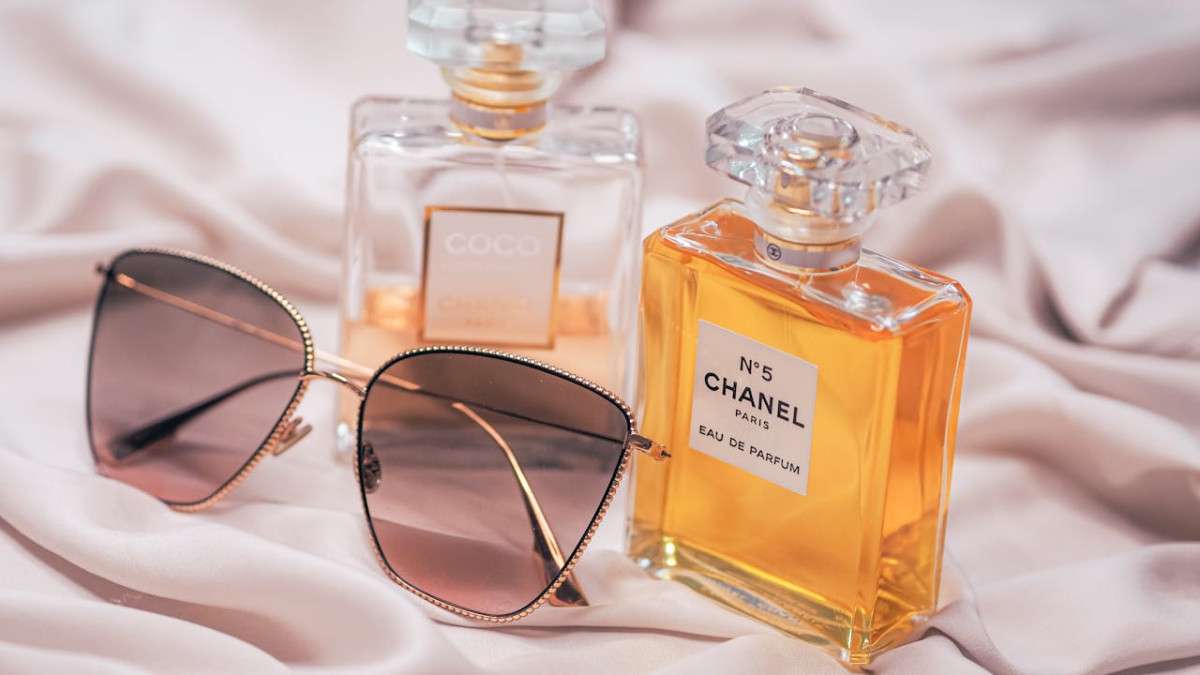
If you are a SmartZup, someone who loves a brand, buys consistently, and spreads the word, or simply a fan of classic luxury products, this article is for you.
Luxury brands are built on more than innovation and exclusivity — they are grounded in heritage, consistency, and iconic products that transcend time. Among the most valuable assets of a luxury house is its “classic” product, an item that remains relevant across decades, often becoming synonymous with the brand itself.
In this article, SmartZup will explore what defines a classic product, why leading luxury houses maintain them as part of their core offering, which examples have stood the test of time, and how their value keeps evolving in the marketplace.
Defining a Classic Product
A classic product in the context of luxury goods is one that remains consistently desirable,
– Timeless Design: Classic products are distinguished by elegant, enduring aesthetics rather than trend-driven elements. Their appeal spans generations due to a design language that resists obsolescence.
– High-Quality Craftsmanship: These items are crafted with precision and durability, often using traditional techniques and superior materials. The long-lasting nature of their construction is a key differentiator.
– Cultural and Historical Relevance: Many classic products carry historical significance or have achieved cultural icon status, often linked to a notable public figure or significant moment in history.
– Brand Legacy: The product serves as a cornerstone of the brand’s identity, frequently reflecting the vision of the founder or the defining philosophy of the fashion house.
– Emotional and Aspirational Value: Classics evoke strong emotional responses, often tied to personal milestones or long-standing aspirations. They are commonly associated with achievement, status, and prestige.
More For You
Why is France the leading country in luxury fashion brands?
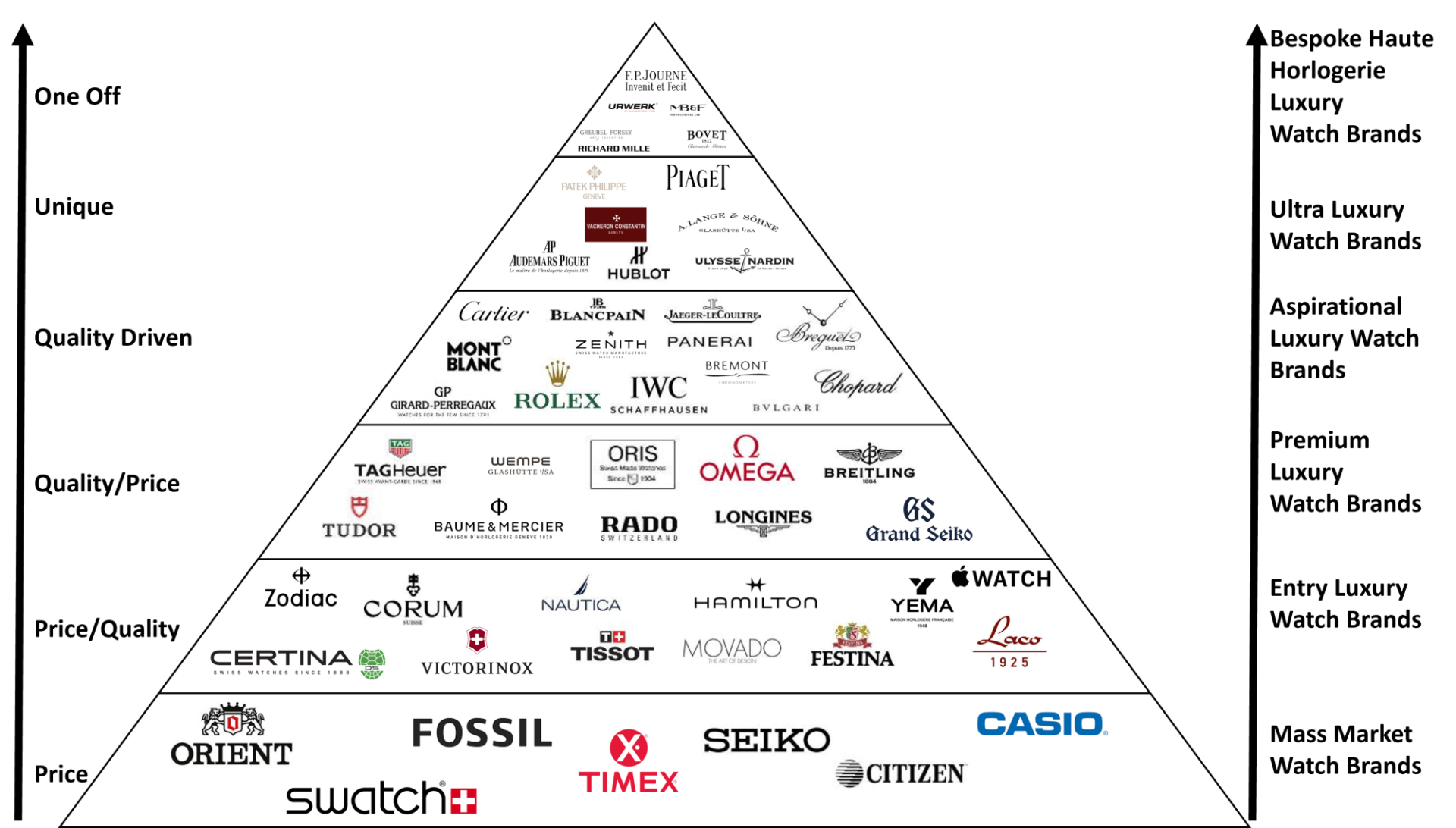
The luxury watch brand pyramid: a new hierarchy of watch brands
Why did luxury fashion brands expand to beauty?
Quiet fashion luxury, the whispering brands
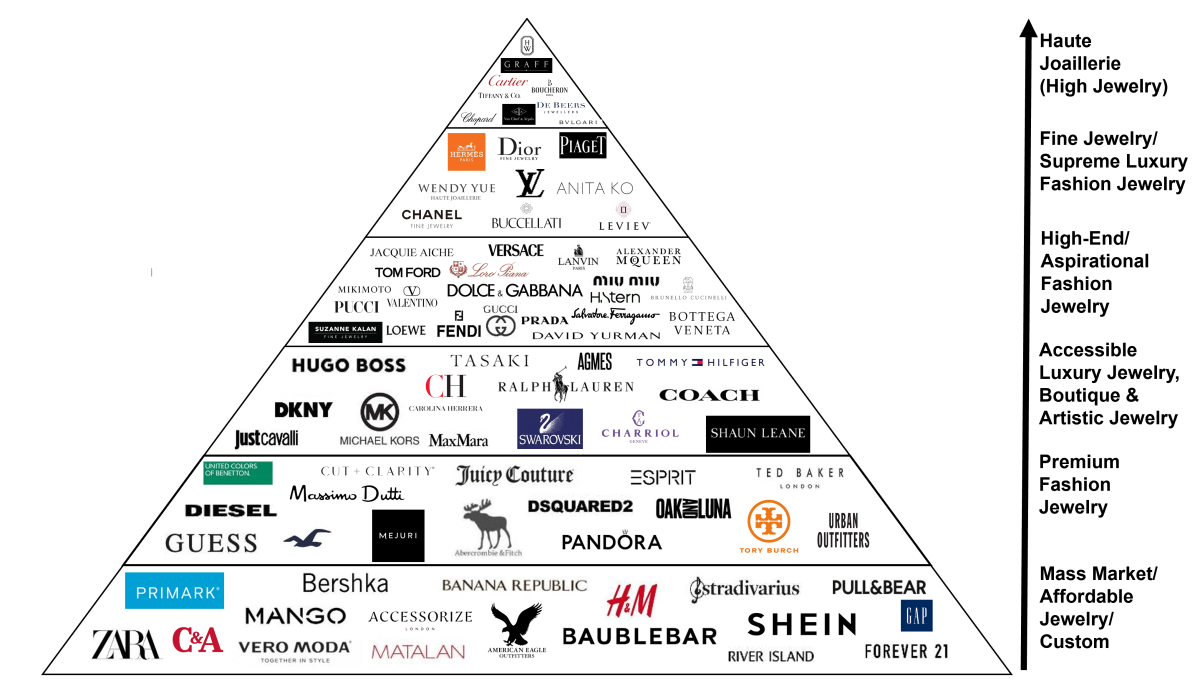
The fashion brands pyramid: a new hierarchy for luxury fashion brands
The Strategic Importance of Classics in Luxury Branding
Most luxury brands deliberately preserve one or more classic products within their permanent collections. This is not coincidental but rather a strategic imperative driven by several factors:
– Heritage Preservation: Classic items function as tangible representations of a brand’s heritage and ethos. For example, the Chanel 2.55 handbag, introduced by Gabrielle “Coco” Chanel in 1955, symbolizes the house’s independence and innovation.
– Economic Stability: Unlike seasonal items, classics offer predictable sales volumes and long-term revenue generation. They contribute to brand resilience in fluctuating market conditions.
– Consumer Trust and Loyalty: Consistency builds trust. Consumers who recognize and value classic products are more likely to remain loyal to the brand and explore other offerings.
– Brand Equity and Perceived Value: Iconic products enhance brand prestige and contribute to long-term equity. They anchor the brand’s image in the minds of both consumers and investors.
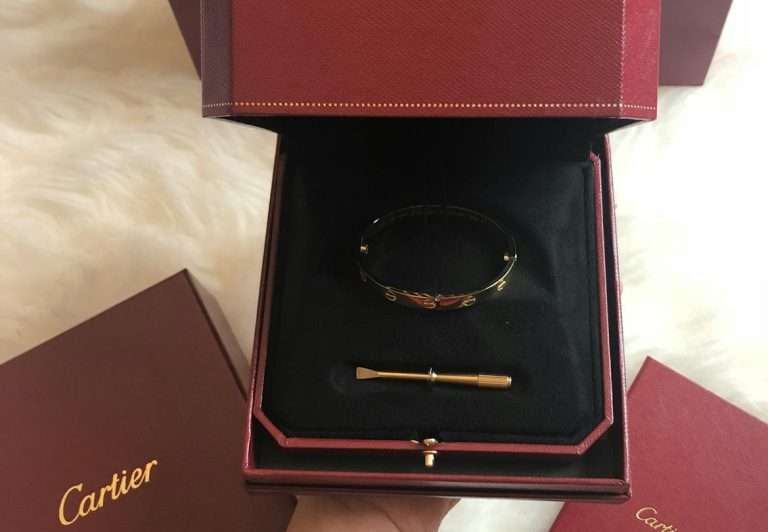
Examples of Iconic Classic Luxury Products
Some luxury products have not only stood the test of time but have also shaped the identity of entire brands like the following products:
Product | Brand | Year Introduced | Notable Attributes |
Chanel 2.55 Handbag | Chanel | 1955 | Quilted design, chain strap, women’s hands-free luxury |
Birkin Bag | Hermès | 1984 | Handmade, limited availability, ultimate status symbol |
Submariner Watch | Rolex | 1953 | Iconic diver’s watch, professional-grade reliability |
Love Bracelet | Cartier | 1969 | Screwed-on design, symbol of eternal love |
Horsebit Loafers | Gucci | 1953 | Elegant, equestrian-inspired, gender-neutral design |
Do Classic Luxury Products Grow In Value Over Time?
The answer is often affirmative, particularly in secondary markets. According to reports by Sotheby’s and The RealReal, certain categories of classic luxury goods — particularly handbags, watches, and jewelry — regularly appreciate over time. The drivers of value appreciation include:
– Scarcity and Exclusivity: Limited availability, long waitlists, or discontinued models enhance collectability.
– Condition and Provenance: Items in pristine condition or those linked to historical events or celebrities typically command a premium.
– Market Demand: Shifts in cultural interest, celebrity influence, or fashion cycles can reignite interest in specific models.
– Investment Appeal: Some consumers view classic luxury goods as alternative assets. For example, a well-maintained Hermès Birkin bag has outperformed traditional investments such as gold and the S&P 500 in certain periods (Knight Frank Luxury Investment Index, 2023).
Classic Products That Experienced Revival
Several classic products have been successfully reintroduced or reinterpreted for modern audiences, reinforcing the power of nostalgia and timeless design:
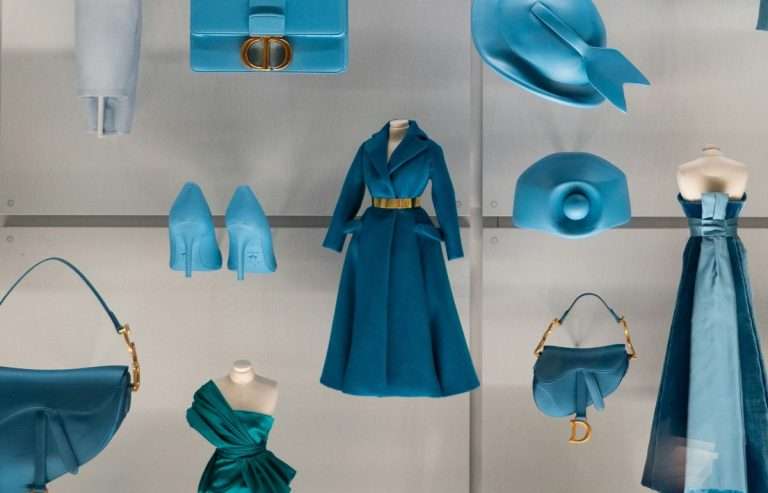
– Dior Saddle Bag: Originally launched in the early 2000s under John Galliano, the bag was relaunched in 2018 by Maria Grazia Chiuri, reviving global demand.
– Fendi Baguette: Popularized in the late 1990s and early 2000s, it was relaunched with a new campaign and celebrity endorsements in 2019.
– Prada Nylon Bags: First introduced in the 1980s, Prada’s re-edition nylon bags surged in popularity again in the 2020s, bolstered by eco-conscious redesigns and digital campaigns.
– Cartier Tank Watch: Originally launched in 1917, the Tank has remained in continuous production with periodic revivals and modern reinterpretations.
Classic luxury products represent more than aesthetic or functional appeal, they are living artifacts of brand history, craftsmanship, and consumer culture. Their persistent presence in the luxury landscape not only ensures brand continuity but also provides consumers with enduring symbols of refinement and value. As the luxury industry evolves, classic products remain essential pillars, bridging the past with the future while consistently resonating with discerning clientele.
So if you have inherited or currently own a classic luxury item, preserving it with care ensures it remains a cherished legacy for future generations!