Spotlight On: McDonald’s
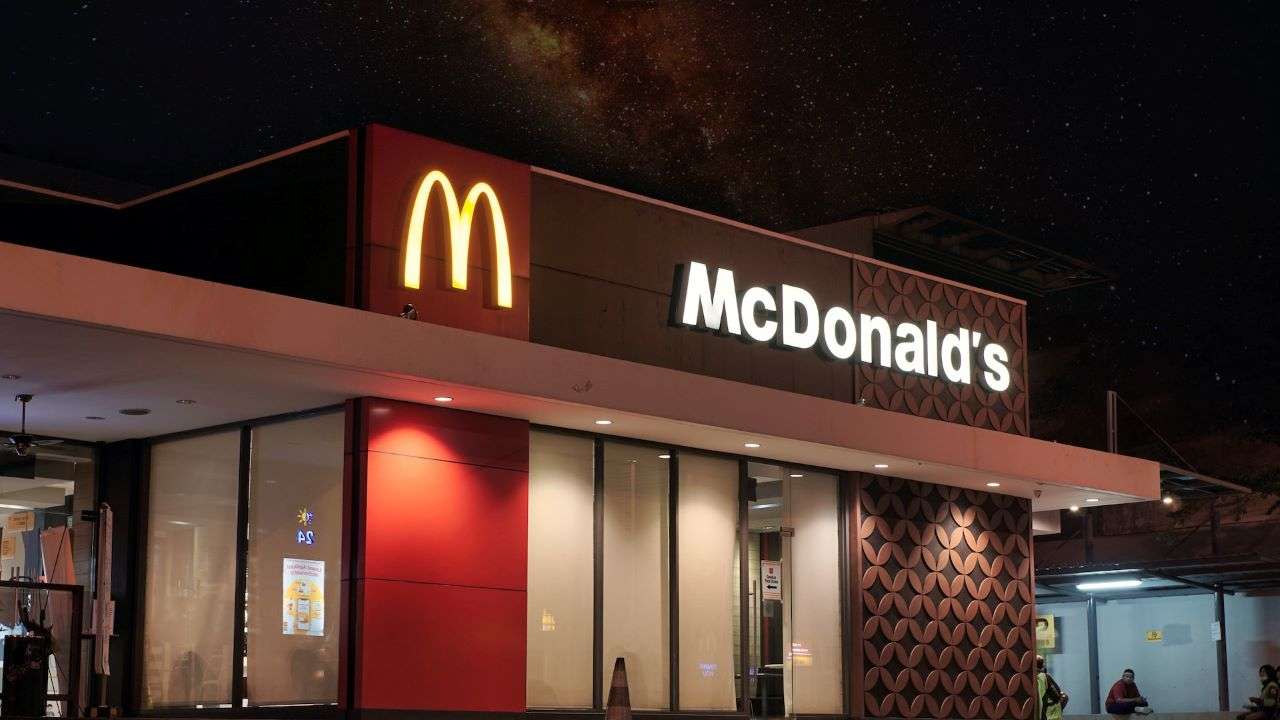
McDonald’s is not just a fast food chain, it’s an American icon as recognizable as the stars and stripes. As the world’s largest fast-food restaurant chain, the golden arches represent one of the most beloved and valuable brands in history.

McDonald’s is not just a fast food chain, it’s an American icon as recognizable as the stars and stripes. As the world’s largest fast-food restaurant chain, the golden arches represent one of the most beloved and valuable brands in history.
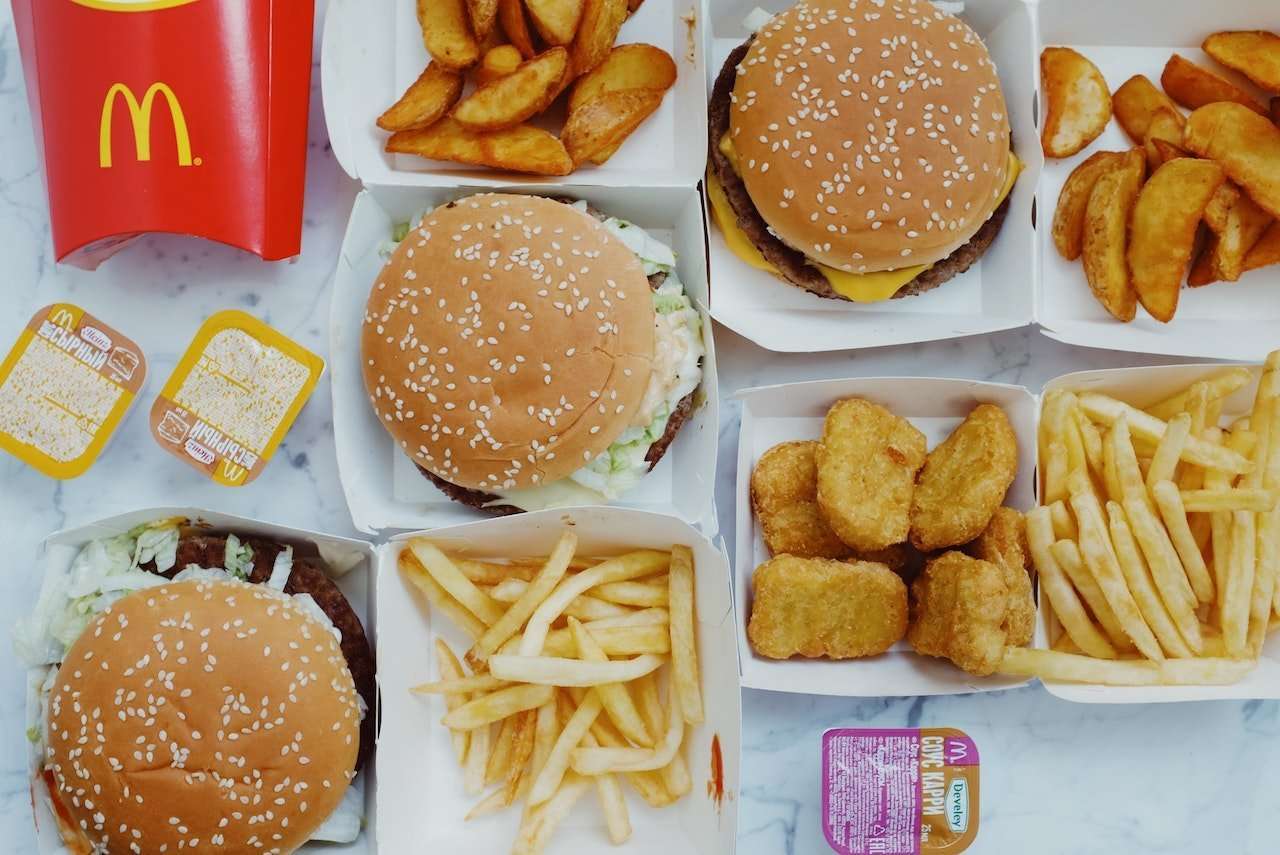
Today, McDonald’s is a global phenomenon, with over 38,000 locations in over 100 countries. They are virtually synonymous with fast food, especially burgers and fries. McDonald’s also boasts a wide menu of seasonal treats like the Mcrib, and local items specific to regional tastes and culture, such as the Chicken McArabia in the Middle East or the Bulgogi Burger in South Korea.
In the beginning, brothers Maurice and Richard MacDonald started their small burger joint in San Bernardino, California. They used a revolutionary assembly line style of cooking called the “Speedee Service System” that allowed them to churn out burgers quickly and efficiently. This innovation made McDonald’s a hit, and after the arrival of Ray Kroc in 1955 the chain quickly grew under his aggressive franchise expansion plan, until Kroc eventually bought out the brothers stake in 1961 for the then astronomical sum of 2.7 million dollars.
But as the company expanded, it faced criticism for its unhealthy menu and low wages for workers. In the 1980s, the company was even sued for promoting unhealthy eating habits in children. It responded to such criticism by becoming transparent about the caloric value of all their products and introducing new menu items, such as chicken nuggets, salads and wraps, in an effort to appeal to health-conscious consumers. And it has implemented policies to improve working conditions for its employees.
Few things can embody unadulterated capitalism, like the big M. The opening of the first McDonald’s in Moscow was greeted with the same enthusiasm and fanfare as any of the Apollo missions and is jokingly credited with contributing to the fall of the Soviet Union.
Despite whatever criticisms or backlash it has faced, McDonald’s continues to thrive because of a few factors that other competitors simply cannot overcome. The first is speed and consistency. The McDonald’s food delivery system from ordering to taking that first bite is unmatched. And a Big Mac in any country tastes exactly like a Big Mac should. The second is price. McDonald’s operates on such a scale with suppliers and customers that it can consistently offer the best price-value among fast food options.
The third and perhaps the most insurmountable advantage for competitors is the sentiment and nostalgia associated with the brand. Who doesn’t remember digging into a box of McDonald’s fries with your siblings or friends? Or your dad taking you for a milkshake after bringing home an A on your spelling test? Or making a beeline for the drive thru window after a double shift at work when nothing else was open?
Because of its ubiquity, McDonald’s has always been there for you. And a Big Mac always tastes like a Big Mac. And that’s a lot more than one can say of most other things in your life.